
Construction & Renovation Guide Islamabad Rawalpindi
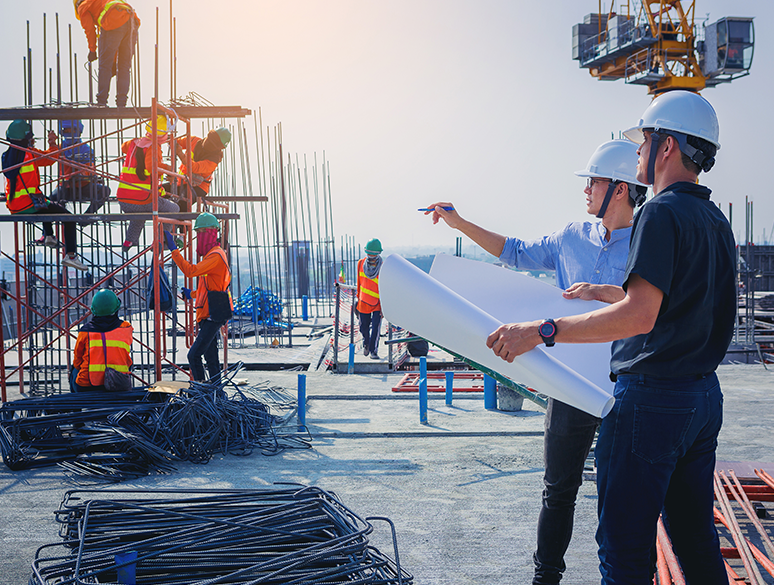
Building or renovating a home in Islamabad or Rawalpindi represents a significant investment that requires careful planning, reliable contractors, and an understanding of local construction practices. Whether you’re constructing a new house in Bahria Town, renovating a property in DHA, or upgrading a home in F-sectors, this guide provides essential insights for homeowners in the twin cities.
Understanding Local Building Regulations
Before starting any construction or major renovation project in Islamabad or Rawalpindi, it is crucial to understand the regulatory requirements. Properties in Islamabad fall under the jurisdiction of the Capital Development Authority (CDA), while properties in Rawalpindi are regulated by the Rawalpindi Development Authority (RDA). Each authority has specific building codes, approval processes, and inspection requirements.
For properties in DHA Islamabad, the DHA Building Control Section manages approvals and must review construction plans before work begins. Similarly, Bahria Town has its own building regulations and approval processes that homeowners must follow. Gulberg Greens and other private housing societies also enforce their own construction standards alongside CDA regulations.
Common approval requirements include building plans, structural drawings, NOCs from relevant authorities, and compliance with setback requirements. Setback rules—the minimum distance buildings must maintain from property boundaries—vary by sector and plot size. F-sector properties, for instance, have different setback requirements than newer developments in G-13, G-14, or G-15.
Choosing the Right Construction Timeline
Islamabad and Rawalpindi’s weather significantly impacts construction schedules. The optimal construction period is October through March, when temperatures are moderate and rainfall is minimal. Summer construction (April through August) presents challenges due to extreme heat affecting concrete curing and worker productivity.
Monsoon season (July through September) can halt construction activities, particularly foundation work, plastering, and exterior painting. Homeowners planning projects in Bahria Town, DHA, or Gulberg Greens should account for weather delays when setting timelines and budgets.
For renovation projects in occupied homes—common in established F-sectors neighborhoods or older DHA phases—consider scheduling major work during periods when displacement is manageable. Kitchen and bathroom renovations typically take 3-4 weeks, while complete home renovations can extend 2-3 months depending on scope.
Material Selection and Procurement
Quality construction materials significantly impact project costs and longevity. Islamabad and Rawalpindi offer numerous options for building materials, from budget-friendly local supplies to premium imported products.
Cement and Concrete: Major cement brands available locally include Bestway, DG Khan, and Maple Leaf. For foundations and structural work in areas with varying soil conditions—common in newer Bahria Town sectors or developing parts of Gulberg—use quality cement meeting PSQCA standards.
Bricks and Blocks: Traditional clay bricks remain popular for residential construction throughout both cities. However, concrete blocks are gaining preference for their strength and insulation properties, particularly beneficial for homes in areas experiencing temperature extremes like Barkahu or PWD sectors.
Roofing Materials: Most residential properties in DHA, Bahria Town, and F-sectors use RCC (Reinforced Cement Concrete) roofs. However, sloped roof options using tiles or metal sheets are becoming popular for aesthetics and water drainage, especially in areas with heavy monsoon rainfall.
Flooring Options: Marble and tile flooring dominate Islamabad and Rawalpindi homes. Local marble varieties are cost-effective, while imported options offer premium aesthetics. For high-traffic areas or outdoor spaces, consider non-slip tiles suitable for the region’s weather conditions.
Selecting Reliable Contractors
Finding trustworthy contractors is perhaps the most critical decision for construction or renovation projects in the twin cities. Ask for references from completed projects in your area—a contractor experienced with Bahria Town construction may better understand that area’s specific requirements than someone primarily working in Rawalpindi’s older neighborhoods.
Verify contractor credentials, visit ongoing projects to assess work quality, and request detailed written contracts specifying timelines, payment schedules, and quality standards. For major projects in DHA or high-value properties in F-6 or F-7, consider hiring a separate project consultant or architect to supervise contractor work.
Budgeting for Construction Costs
Construction costs in Islamabad and Rawalpindi vary significantly based on location, material quality, and finishing standards. As of 2024-2025, grey structure construction costs typically range from PKR 2,000-2,500 per square foot, while complete construction with standard finishes runs PKR 3,500-4,500 per square foot.
Premium finishes for luxury homes in established DHA phases or upscale Bahria Town sectors can exceed PKR 6,000-8,000 per square foot. Budget an additional 10-15% contingency for unexpected expenses—soil conditions requiring additional foundation work, material price fluctuations, or design modifications mid-project.
Renovation Specific Considerations
Renovation projects in occupied homes require additional planning. For properties in older F-sectors neighborhoods or established DHA phases, existing structures may need upgrading to modern standards—electrical system capacity, plumbing improvements, or structural reinforcement.
Before renovating kitchens or bathrooms in older homes, inspect plumbing for leaks or corrosion. Electrical systems in properties built before 2010 may need complete rewiring to handle modern appliances and safety standards.
Quality Control and Inspections
Regular site visits ensure contractor compliance with plans and quality standards. For structural work—foundations, columns, beams—hire an independent structural engineer to inspect critical stages before proceeding. This is particularly important for multi-story construction in areas with seismic considerations.
Document progress through photographs, maintain records of material deliveries and payments, and ensure contractors provide warranties for workmanship—typically one year for structural work and six months for finishing work.
Final Thoughts
Successful construction or renovation in Islamabad and Rawalpindi requires understanding local regulations, choosing appropriate materials, selecting reliable contractors, and maintaining oversight throughout the project. Whether building in Bahria Town’s newer sectors, renovating in DHA’s established neighborhoods, or upgrading property in F-sectors, thorough planning and quality execution ensure your investment delivers lasting value.
For homeowners seeking professional construction supervision or renovation management services across Islamabad and Rawalpindi, working with experienced local contractors familiar with area-specific requirements helps navigate the complexities of residential construction projects.